
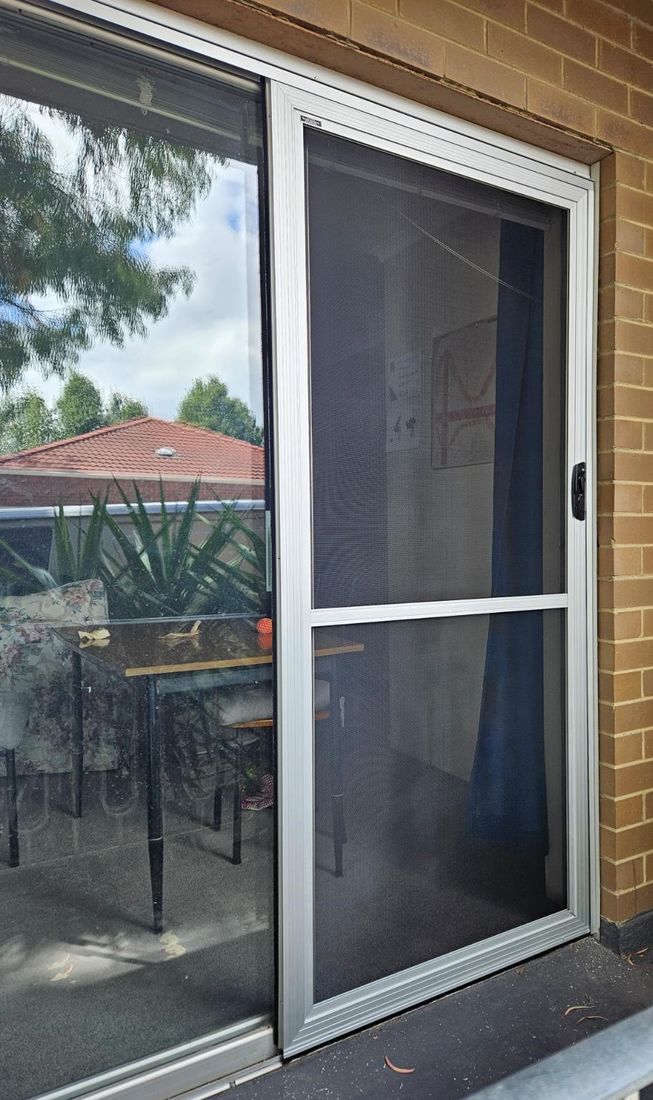
The Secret Hero of Summer: Sliding Flyscreen Doors
Sliding flyscreen doors don’t usually get fan mail. They’re not flashy like a new couch, and they’ll never win an award for “Most Dramatic Home Upgrade”. But on a warm day when you want the breeze—without inviting every fly in the postcode to dinner—these doors absolutely carry the team.
Why sliding flyscreen doors are quietly brilliant
- Breeze on demand: Open up the house and let the air do its thing (without the buzzing soundtrack).
- Space-smart: Sliding means no swing arc—great for patios, balconies, and anywhere a hinged door would bonk a pot plant.
- Kid-and-pet friendly: You can keep doors open for airflow while still creating a simple barrier between “inside” and “sudden backyard adventure”.
- Low-key curb appeal: The right frame colour and mesh can look sharp without shouting about it.
Choosing one: mesh, frame, and the great ‘will it survive summer?’ test
If you’re upgrading (or replacing a screen that’s seen better decades), a few small choices make a big difference. Here’s the short list to keep things smooth—literally.
- Mesh type: Standard insect mesh is great for everyday use; tougher “pet” or heavy-duty mesh can handle claws and high traffic.
- Frame strength: A sturdier frame helps the door stay square, which helps it slide better for longer.
- Rollers and track: The door can only glide as well as its wheels. If it currently sounds like a shopping trolley, rollers are your first suspect.
- Fit and alignment: Small gaps are basically a neon “welcome” sign for bugs—good measuring matters.
- Handle/lock: If it’s a main entry, choose hardware that feels solid and is easy to use one-handed (because the other hand will be holding something).
Make it glide: 3-minute maintenance that feels like magic
- Vacuum the track: Dust and grit are the villains of smooth sliding. A quick vacuum can be an instant upgrade.
- Wipe the frame and mesh: A damp cloth (and mild soapy water if needed) keeps the mesh clear and the door looking fresh.
- Check the rollers: If the door is dragging or wobbling, the rollers may need adjustment or replacing—often a simple fix.
Signs your flyscreen door is asking for help
- It needs a “special technique” to close.
- The mesh has more holes than your weekend plans.
- The door pops off the track if you look at it sideways.
- You can see daylight around the edges (and so can the insects).
Final thought: let the breeze in
A good sliding flyscreen door is basically a bouncer for your home: big smiles for fresh air, zero tolerance for mozzies, and always on duty. If yours is due for an upgrade, have a think about how tough you need the mesh to be—and give us a call for a free quote. We’ll pop around to measure up, show you the mesh samples, and before you know it, you’ll be enjoying smooth, breezy living (minus the uninvited winged guests).